
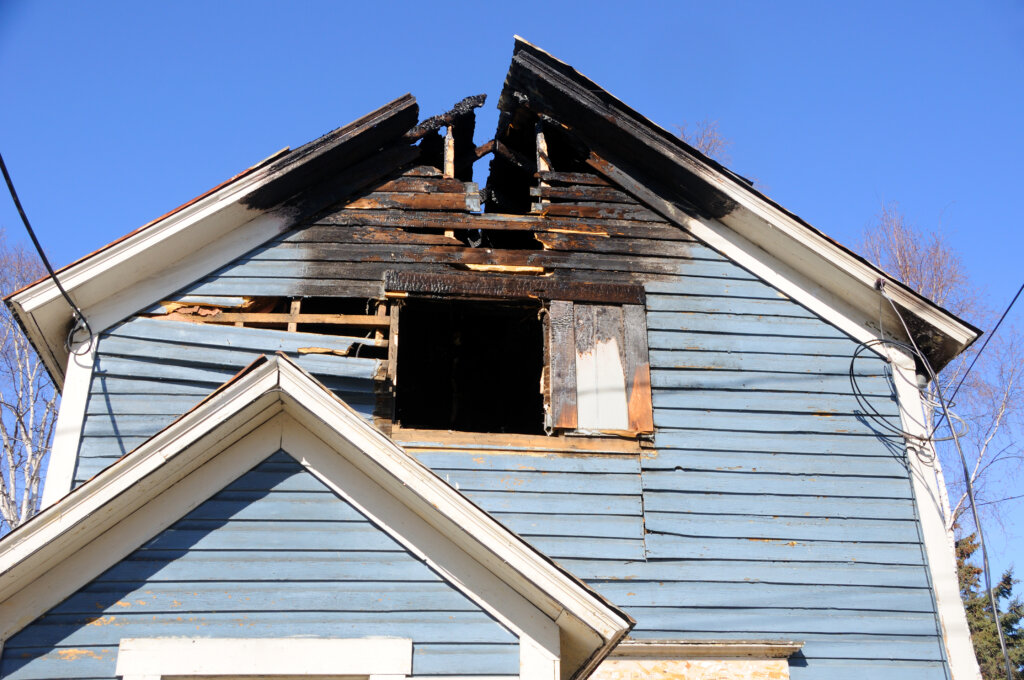
When dealing with fire damage houses in Houston TX, the hours and days after a fire can feel overwhelming. Smoke, water damage, insurance calls, and safety concerns pile up quickly. If you’re facing this situation, you’re not alone. Every year, homeowners in Houston experience residential fires caused by electrical issues, kitchen accidents, storms, and more.
This comprehensive guide walks you through exactly what to do first, how to protect your property and finances, and what options you have moving forward. Whether you plan to restore your home or sell it as-is, this article provides practical, helpful guidance.
Understanding Fire Damage in Houston Homes
Fires affect homes in more ways than most people realize. It’s not just burned walls or charred roofing. Fire often leads to:
- Structural damage
- Smoke and soot contamination
- Water damage from firefighting efforts
- Electrical and HVAC system failure
In Houston’s humid climate, water damage can quickly turn into mold growth, compounding the problem.
Common Causes of Residential Fires in Houston
Some of the most frequent causes include:
- Kitchen cooking accidents
- Electrical wiring faults
- Storm-related power surges
- Space heaters during cold snaps
- Lightning strikes
Understanding the source helps with insurance claims and future prevention.
Types of Damage: Structural, Smoke, and Water
Fire weakens framing, drywall, and roofing. Smoke seeps into insulation and ductwork. Meanwhile, thousands of gallons of water may be used to extinguish the flames. Each type requires different restoration methods.
Step 1: Ensure Safety and Get Official Clearance
After a fire, do not re-enter your property until authorities declare it safe.
The Houston Fire Department typically inspects the scene and confirms whether re-entry is allowed. Safety is non-negotiable. Hidden hot spots, unstable flooring, or exposed wiring can pose serious risks.
If necessary, arrange temporary housing immediately.
Step 2: Contact Your Insurance Company Immediately
Time matters. Call your insurance provider as soon as possible.
What to Document for Claims
Before cleanup begins:
- Take photos of all damage
- Record video walkthroughs
- List damaged belongings
- Keep receipts for emergency expenses
Thorough documentation strengthens your claim.
Understanding Your Policy Coverage
Policies typically cover:
- Structural repairs
- Personal property loss
- Temporary living expenses
However, coverage limits and exclusions vary. Review your policy carefully.
Step 3: Secure the Property From Further Damage
Fires often leave homes exposed.
Board up broken windows and doors. Install temporary roof tarps if necessary. This prevents theft, weather damage, and liability issues.
Insurance companies often require homeowners to mitigate further damage.
Board-Up Services and Temporary Repairs
Professional board-up services ensure the property remains secure. Avoid DIY solutions if the structure is unstable.
Step 4: Assess Structural Integrity
Hire a licensed structural engineer or contractor to evaluate:
- Foundation stability
- Roof framing
- Load-bearing walls
- Electrical systems
Do not assume that visible damage tells the full story.
Hiring Licensed Inspectors and Contractors
Always verify licenses and insurance. Houston has strict building codes, and proper permits may be required for major repairs.
Step 5: Water and Smoke Damage Mitigation
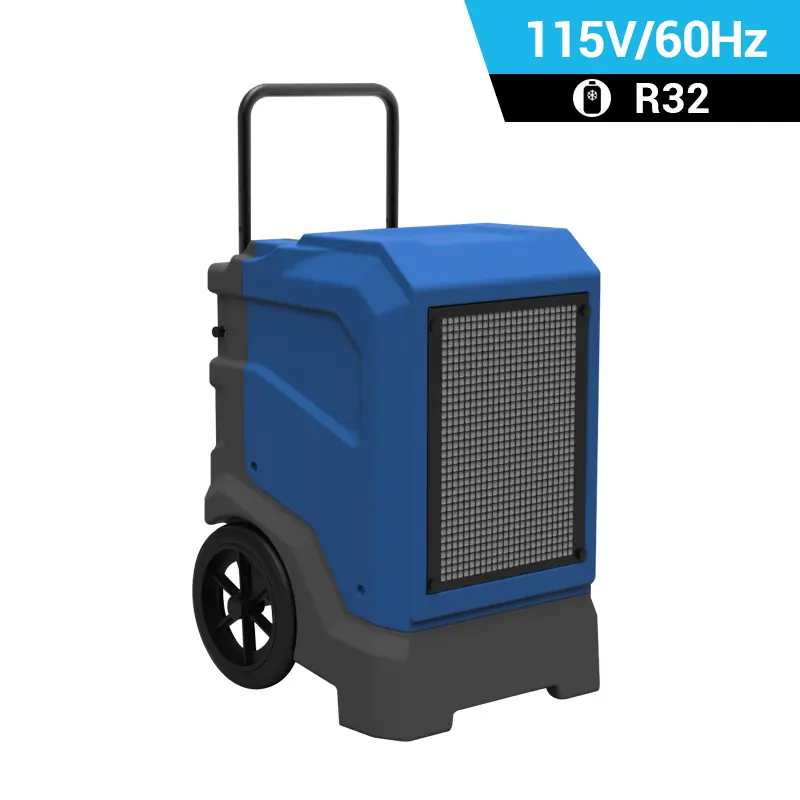
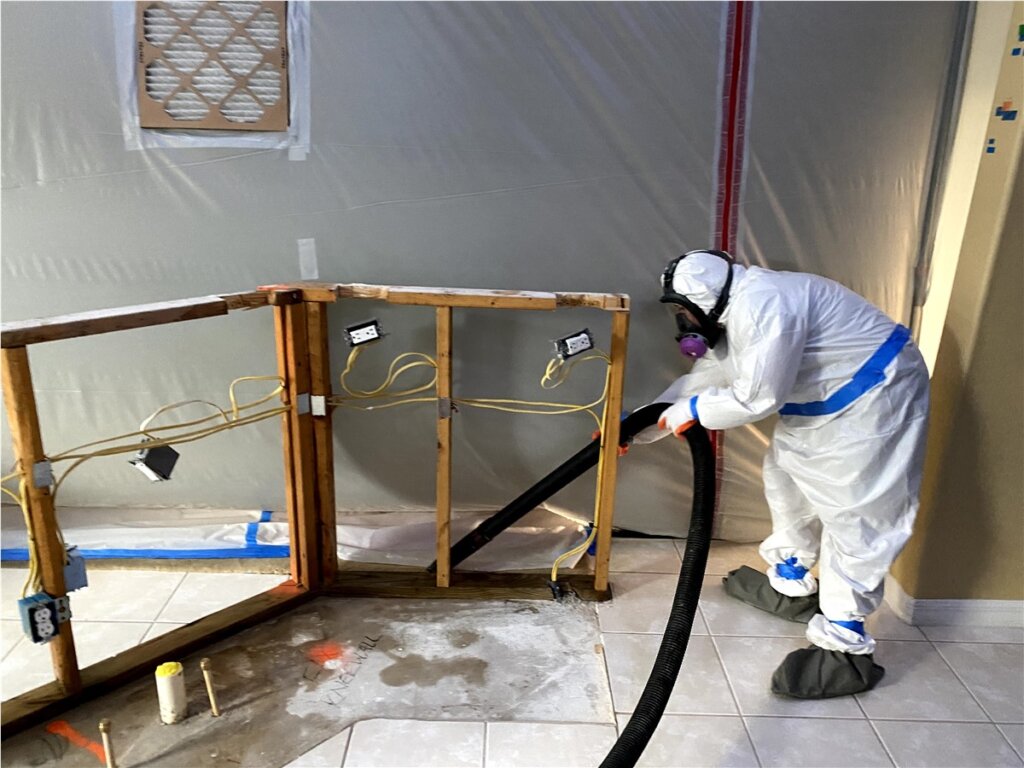
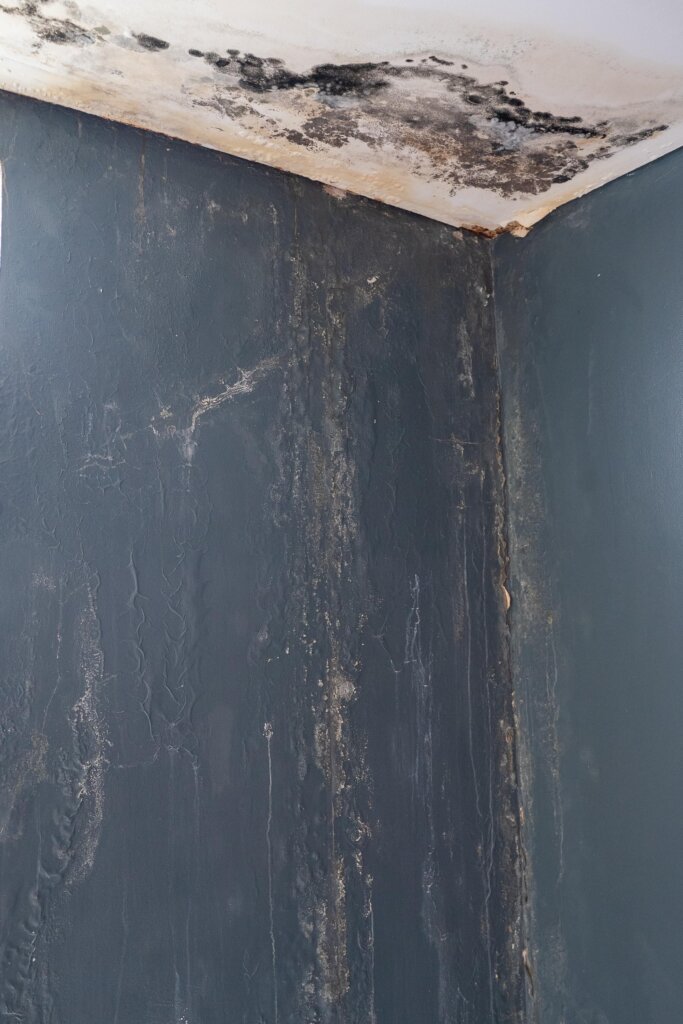
Smoke leaves acidic residue that corrodes surfaces. Water trapped inside walls creates mold within 24–48 hours, especially in humid regions like Houston.
Professional mitigation includes:
- Industrial dehumidifiers
- HEPA air scrubbers
- Soot removal treatments
- Antimicrobial applications
Mold Prevention in Houston’s Humid Climate
Houston’s climate accelerates mold growth. Acting quickly is critical. Delays can significantly increase restoration costs.
Step 6: Decide Whether to Restore or Sell
This is a major decision for owners of fire damage houses in Houston TX.
Cost of Repairs vs. Market Value
Consider:
- Repair estimates
- Insurance payout
- Current market value
- Emotional toll
Extensive structural damage can exceed market value.
Selling Fire-Damaged Property As-Is
Some homeowners choose to sell instead of rebuild. Selling as-is can:
- Avoid repair costs
- Eliminate contractor management
- Provide faster financial recovery
Investors and local buyers may purchase properties in their current condition.
Step 7: Understand Houston Real Estate Disclosure Laws
Texas law requires sellers to disclose known material defects, including prior fire damage.
Failing to disclose can lead to legal consequences. Be transparent and provide repair documentation if available.
Step 8: Work With Local Experts
Local professionals understand Houston’s building codes, climate, and housing market.
Look for:
- Fire restoration specialists
- Public adjusters
- Real estate professionals familiar with distressed properties
You can also review safety resources directly from official city sources such as the Houston Fire Department website.
Step 9: Emotional Recovery and Support
A house fire is traumatic. Beyond property damage, it disrupts daily life.
Seek support from:
- Family and friends
- Community organizations
- Professional counselors if needed
Recovery takes time, and that’s okay.
Costs Associated With Fire Damage Houses in Houston TX
Costs vary widely:
| Damage Level | Estimated Cost Range |
|---|---|
| Minor Smoke Damage | $3,000–$10,000 |
| Moderate Structural Repairs | $15,000–$50,000 |
| Major Rebuild | $75,000+ |
These are general estimates. Every situation differs.
Insurance may cover most of these costs, but deductibles and limits apply.
Preventing Future Fire Damage
Prevention is powerful. Consider:
- Installing smoke detectors in every room
- Regular electrical inspections
- Avoiding overloaded outlets
- Cleaning dryer vents
- Creating a family evacuation plan
Simple steps can save lives and property.
Frequently Asked Questions
1. How long does fire restoration take in Houston?
Minor damage may take weeks. Major rebuilds can take several months, depending on permits and contractor availability.
2. Can I live in my home after a small fire?
Only after official clearance. Even small fires can cause toxic smoke damage.
3. Does insurance cover smoke damage?
Most standard homeowner policies cover smoke damage, but always confirm with your provider.
4. Should I repair or sell my fire-damaged house?
It depends on repair costs, insurance payout, and your personal situation. If repairs exceed market value, selling may be more practical.
5. Do I need permits to rebuild in Houston?
Yes. Most structural repairs require city permits.
6. Will a previous fire affect my home’s resale value?
It can, especially if repairs were not professionally completed. Proper documentation helps protect value.
Conclusion: Moving Forward After a Fire
Dealing with fire damage houses in Houston TX can feel like navigating uncharted waters. But with the right steps—prioritizing safety, documenting damage, working with insurance, and evaluating your long-term goals—you can move forward with confidence.
Whether you choose to restore your property or sell it as-is, informed decisions make all the difference. Acting quickly, consulting professionals, and understanding your legal responsibilities protect both your finances and your peace of mind.
A house fire may be devastating, but recovery is possible. With clarity, support, and smart planning, a fresh start is within reach.