
Leaving a house vacant for long periods in Texas can create serious problems for homeowners. Hot weather, sudden storms, high humidity, and everyday wear can cause a property to decline faster than expected. When a home sits empty, small issues can go unnoticed and turn into costly damage. Understanding how long it takes for a vacant home to deteriorate and what risks to watch for can help homeowners protect their investment or decide if selling makes more sense.
At FIT Acquisitions, we work with many homeowners who are dealing with vacant properties and want a reliable way to move on without stress. The information below breaks down what actually happens when a home sits empty in Texas and what steps owners can take before damage becomes overwhelming.
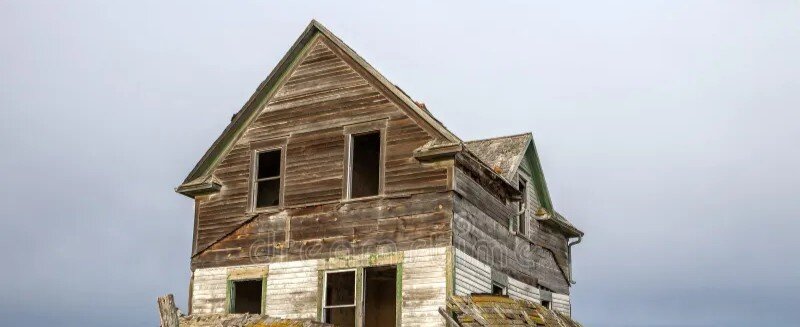
Physical Deterioration in a Vacant Texas Home
A vacant home in Texas can begin showing signs of deterioration within weeks. Without someone checking on the property regularly, issues can escalate quickly.
Water leaks can go unnoticed longer and may cause mold growth or structural damage. High humidity in many Texas cities can affect drywall, wood, flooring, and even electrical systems. A small leak under a sink or in the attic can turn into a major repair if no one is there to catch it early.
Heat causes its own problems as well. During summer months, interior temperatures can rise high enough to damage floors, crack caulking, and strain the HVAC system. A home that sits without climate control can age much faster than one that is lived in.
Security Risks and Squatters When a House Sits Empty
Vacant homes often catch unwanted attention. A property with overgrown grass, a broken window, or an unlit porch is easy for trespassers to spot. Theft, vandalism, illegal dumping, and break-ins are more common in unoccupied properties.
If a break-in happens and no one notices for days or weeks, the damage can be far worse. Missing copper wiring, destroyed interior doors, and broken windows can lower the home’s value quickly. Repairs for vandalism can stack up fast, making the home harder to resell or rent out.
Squatters are an increasing problem for homeowners who have left their property vacant for too long. Squatter situations can reduce the market value of a property as they may damage the interior, wear down utilities, or leave behind trash and repairs that increase the total cost for the homeowner. Texas law requires property owners to follow the correct legal process to remove unauthorized occupants. This often involves filing notices, waiting through required time periods, and possibly attending a court hearing. Furthermore, buyers may hesitate to make an offer if they learn the home has had unauthorized occupants or security problems. Homeowners with vacant houses should take steps to secure all entry points, maintain the yard, and perform regular checks to reduce the chance of someone entering the property.
How Vacancy Affects Your Property Value
A home that looks neglected signals trouble to potential buyers. Overgrown landscaping, peeling paint, damaged siding, or signs of water intrusion can reduce buyer interest and lower market value.
Even if the inside of the home is in good condition, poor curb appeal can give the impression of abandonment. For homeowners planning to sell, vacancy can make the property harder to market and may lead to lower offers.
Legal Considerations for Vacant Homes in Texas
Texas has specific rules that apply to vacant and abandoned homes. Homeowners should be aware of the following:
- Abandoned property status: If a home sits unoccupied without proper maintenance for an extended period, it may be considered abandoned under certain conditions. This can create legal complications or increase the risk of someone attempting to claim the property through adverse possession.
- Homeowner liability: The owner remains responsible for taxes, maintenance, and code compliance. If the property becomes a safety hazard or attracts criminal activity, the city may issue fines or require repairs.
- Tenant abandonment: If a tenant leaves without notice for more than 30 days, the property may fall under Texas abandonment rules. Landlords may need to re-enter the home and evaluate its condition.
Staying informed on local rules can help homeowners avoid legal trouble or unexpected fees.
Security and Maintenance Measures for Empty Homes
Taking simple steps can slow deterioration and help protect your property while it is vacant.
Securing windows and doors reduces the chance of unauthorized entry. Alarm systems or smart cameras help provide remote visibility. Regular inspections allow you to catch leaks, pest problems, or storm damage before it becomes severe.
Using remote monitoring tools can help you track interior temperature, humidity, and motion. Even basic smart home technology can help identify issues sooner.
Keeping Up With Exterior Maintenance
Curb appeal matters, even for vacant homes. A well-maintained exterior reduces the chances of trespassing and makes the home look occupied.
Routine lawn care helps prevent the yard from looking abandoned. Clearing gutters and washing siding helps protect the structure. Installing motion-sensor lighting can deter trespassers and help improve security.
A tidy exterior also helps protect property value and makes the home easier to sell later on.
Financial Responsibilities for Texas Vacant Homes
Vacant properties still come with financial obligations. Homeowners must continue paying:
- Mortgage payments
- Property taxes
- Insurance adjustments for vacant status
Many insurance providers require a special policy for vacant homes. If the homeowner does not update the policy, a future claim may not be covered. This can be expensive if damage occurs while the house is empty.
These financial obligations often lead homeowners to consider whether keeping a vacant home is worth the ongoing cost.
Strategies To Protect Your Vacant Home
Texas homeowners often use several methods to help protect their property:
- Hiring a property management company to perform regular checks
- Asking a neighbor or family member to monitor the home
- Installing security systems with remote viewing
- Using timers for interior lighting to give the appearance of occupancy
These steps help prevent deterioration and protect the home from theft or damage.
Community Impact of Vacant Homes
Vacant houses can affect the surrounding neighborhood. When multiple homes are left unoccupied, nearby property values can fall. Potential buyers may view the area as less desirable. Empty homes may attract vandalism or trespassing, increasing safety concerns in the community.
Cities often respond by increasing code enforcement or conducting more frequent inspections. Homeowners who maintain or quickly resolve vacancy issues help protect both their investment and the stability of the neighborhood.
Should You Rent or Sell a Vacant Property?
Homeowners generally consider two options for managing a vacant house in Texas: renting it out or selling it.
Renting the property can bring in steady income, but it requires managing tenants, covering ongoing repairs, and keeping up with maintenance. Selling the home provides immediate relief from taxes, insurance, and daily upkeep. Many owners who do not want long-term responsibility choose to sell instead of renting.
When time, cost, or safety becomes a concern, selling directly to a cash buyer can be the simplest option.
Why Many Homeowners Sell a Vacant House to a Cash Buyer
Homeowners often choose cash buyers like FIT Acquisitions because:
- There are no repair costs
- Closings can occur quickly
- There are no agent commissions
- The home can be sold in as-is condition
- There are fewer delays or surprises
For owners dealing with vacancy issues, this creates a simple path forward without months of uncertainty.
Final Thoughts: How Long Before a Texas Home Starts to Decline?
A vacant Texas house can begin showing signs of deterioration in a matter of weeks. Water leaks, mold, extreme heat, humidity, security risks, and general neglect can damage the property and reduce its value.
Regular inspections, security measures, and basic upkeep can slow the decline. But if maintaining the property is becoming overwhelming, selling may be the most practical option.
FIT Acquisitions buys homes in any condition and helps Texas homeowners move on from vacant properties quickly and with less stress. If your house is sitting empty and you want to explore your options, reach out today for a fast and fair offer. Contact us today!